Benefits of Whole-Home Remodels You Didn't Know: Maximize Value, Comfort, and Efficiency
A whole-home remodel is a coordinated renovation that updates a home's structure, systems, and finishes in a single, planned project rather than in disconnected piecemeal upgrades. This article reveals lesser-known advantages beyond curb appeal and new fixtures, including measurable ROI drivers, compounded energy savings, improved indoor air quality, and reduced long-term maintenance costs. Homeowners facing frequent repairs, rising utility bills, or awkward layouts will find practical frameworks here to evaluate whether a full remodel delivers better outcomes than multiple small projects. The guide walks through how whole-home work increases property value, how integrated efficiency upgrades lower annual costs, how planning enhances livability and cohesive design, and how system modernizations mitigate safety risks—each section providing data, checklists, and decision-making lists. By the end you'll have tactical steps to prioritize upgrades, sample savings estimates, and a clear sense of when hiring a single, experienced team makes sense for both budget and scheduling. These insights use current research trends and regional considerations applicable to homeowners evaluating comprehensive renovation choices now.
How Does a Whole-Home Remodel Increase Property Value and ROI?
A whole-home remodel increases property value by modernizing key functional areas, improving curb appeal, and delivering a cohesive aesthetic that appeals to buyers; the mechanism is simple — coordinated upgrades compound resale value more than isolated fixes. When structure, kitchens, bathrooms, and exterior finishes are addressed together, perceived quality rises and marketability increases, which translates into a higher sales price and faster time on market. The result is a better return on investment (ROI) because major rooms that influence buyer decisions are refreshed in context, not in isolation, reducing the risk of mismatched finishes or partial upgrades that underperform. Understanding which upgrades deliver the largest value lift helps homeowners allocate budget to high-impact areas.
This short checklist helps evaluate ROI potential before starting a full remodel:
Assess local market preferences and comparable recent sales to set value targets.
Prioritize kitchen and bathroom modernization as primary value drivers.
Allocate part of the budget to curb appeal and systems upgrades that remove buyer objections.
These prioritized steps set up a logical plan; next we examine the specific market and project factors that influence ROI.
What Factors Influence Return on Investment in Home Renovations?

ROI in home renovations depends on market context, workmanship quality, and the strategic choice of upgrades; timing and neighborhood comparables play a large role in how much value a project can capture. High-quality materials and professional installation reduce the chance of costly callbacks and support higher asking prices, while over-customization can limit buyer appeal in resale scenarios. Financing structure, seasonal market shifts, and alignment between design choices and local buyer expectations also affect realized ROI. A homeowner who balances durable finishes with broadly appealing design typically achieves stronger equity gains, and understanding these trade-offs sets priorities for the full remodel.
Evaluating these factors leads directly to a practical comparison of the upgrades that typically yield the largest value increases.
Which Upgrades Deliver the Highest Property Value Boost?
Certain upgrades consistently return more value than others because they directly influence buyer perception and daily use: kitchens, bathrooms, and exterior improvements top most lists. Kitchens updated with efficient layouts and durable surfaces often produce one of the highest single-room returns, while modern bathrooms improve livability and appeal across age groups. Exterior investments—roofing, siding, windows, and landscaping—strengthen curb appeal and buyer confidence, particularly when they resolve deferred maintenance. Below is a comparative table mapping typical upgrades to their attributes and average value contribution to a sale.
Intro to the table: This table compares common whole-home upgrade categories, their typical cost attributes, and typical contribution to sale value to help prioritize investment.
Upgrade Area | Typical Investment Focus | Typical Value Contribution |
|---|---|---|
Kitchen modernization | Layout optimization, appliances, surfaces | High — major buyer influence |
Bathroom upgrades | Fixtures, waterproofing, finishes | High — improves functionality |
Windows & exterior | Energy-efficient windows, siding, curb appeal | Medium-High — buyer confidence |
Systems & insulation | HVAC, electrical, insulation | Medium — reduces buyer risk |
Landscaping & entry | Driveway, front yard, entryway | Medium — first-impression lift |
This comparison shows where money commonly produces the biggest resale impact; next we will examine how coordinated energy upgrades compound savings and marketability.
For homeowners considering a turnkey option, Reno Raptors in Barrie offers a "Full House Reno" service that manages full-home projects end-to-end with a single project team and unified vision. Their approach emphasizes licensed and insured workmanship, 3D previews of proposed layouts and finishes, and daily communication to keep clients informed. Treating the remodel as one coordinated investment helps capture the compounded value described above and reduces the risk of piecemeal mismatches while providing a centralized way to request a valuation or consultation.
What Are the Energy Efficiency Benefits of a Full Home Remodel?
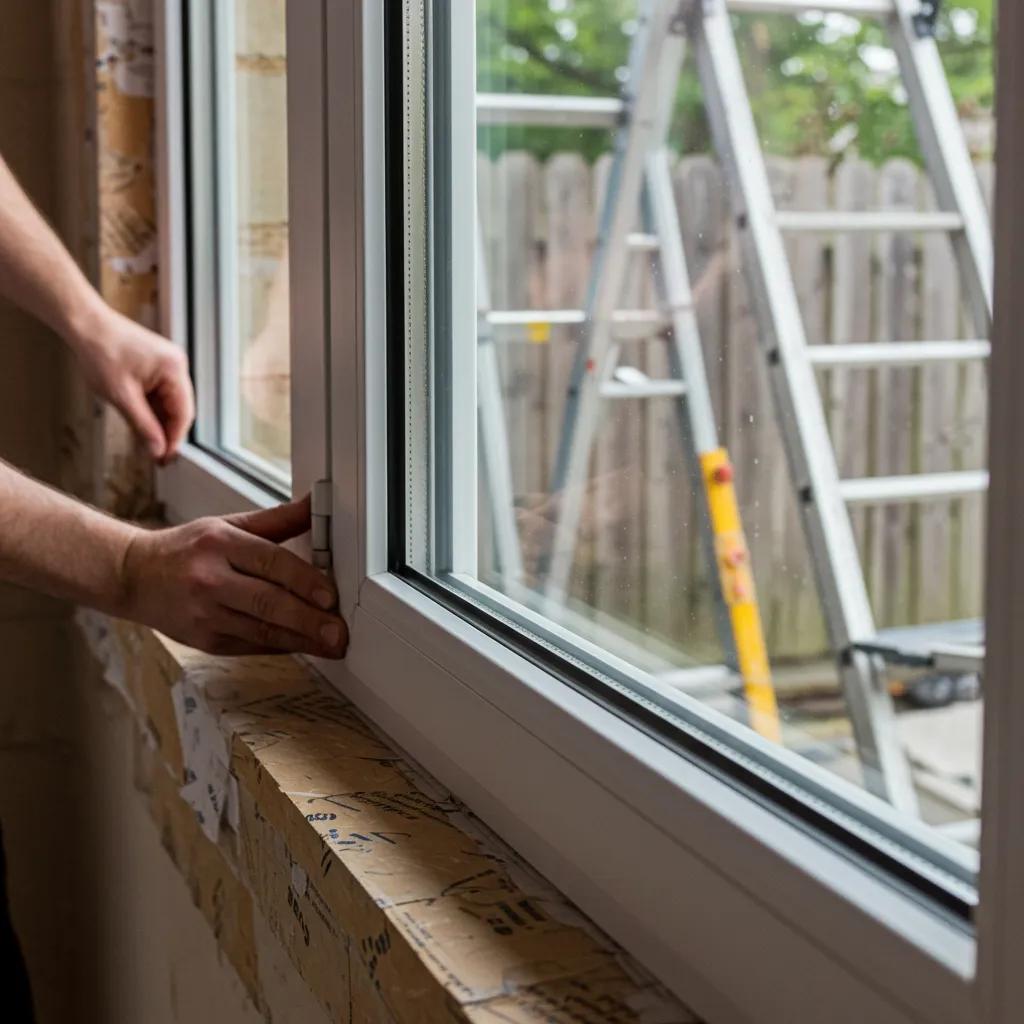
A full home remodel enables systemic energy upgrades—better insulation, window replacement, and right-sized HVAC systems—that work together to reduce energy waste and lower utility bills; coordinated improvements create compounding savings beyond the sum of individual changes. Replacing the building envelope and updating mechanical systems together reduces heat loss and avoids system oversizing, which often happens when one element is updated in isolation. The result is measurable annual savings on heating and cooling costs and improved comfort year-round, plus greater appeal to buyers who prioritize lower operating costs. Below we quantify common upgrades and approximate annual savings to make trade-offs clearer.
Intro to savings table: The table below estimates annual utility savings for common upgrades when applied in a coordinated whole-home plan.
Upgrade | Typical Scope | Estimated Annual Savings (USD) |
|---|---|---|
Attic & wall insulation | High-performance insulation retrofit | $150–$350 |
High-efficiency windows | Double/triple-pane, low-e coatings | $100–$300 |
Right-sized HVAC & controls | High-efficiency furnace/AC + smart thermostat | $200–$500 |
Energy-efficient appliances | Energy Star-rated appliances | $50–$150 |
LED lighting + controls | Whole-home LED retrofit | $50–$120 |
This table demonstrates how combined upgrades can yield several hundred dollars of annual savings; the next subsection explains how individual measures reduce bills and compound when deployed together.
How Do Energy-Saving Upgrades Reduce Utility Bills?
Energy-saving upgrades reduce utility bills by tightening the building envelope, improving heat transfer performance, and ensuring systems operate at higher efficiencies with appropriate controls. Better insulation and sealed windows reduce heat loss and air infiltration, so HVAC systems run less frequently and at lower capacity. Upgrading to high-efficiency HVAC equipment and adding smart thermostats optimizes runtime and lowers energy consumption during peak periods. When these measures are implemented together, they produce multiplicative effects that exceed what piecemeal changes typically deliver.
Because these measures interact, homeowners often see quicker payback periods when multiple efficiency upgrades are bundled in a single remodel, which leads to improved long-term operating cost forecasts.
Which Sustainable Renovation Features Improve Home Efficiency?
Sustainable renovation features that most reliably improve home efficiency include high-performance insulation, upgraded windows, efficient heating and cooling equipment, smart controls, and Energy Star-rated appliances. Each feature contributes in a different way: insulation reduces transmission losses, windows limit unwanted solar heat gain and loss, and efficient HVAC equipment converts energy to conditioned air more effectively. Smart thermostats and zoning controls fine-tune comfort while preventing wasted runtime. Together, these features produce a measurable reduction in energy use and improve occupant comfort and air quality.
For homeowners interested in practical steps, Reno Raptors lists specific energy-saving upgrades they install—insulation improvements, window replacements, and HVAC upgrades—as examples of measures that can be combined during a full remodel; they also offer energy-efficiency audits to identify the most cost-effective sequence of upgrades to pursue.
Improving Energy Performance in Existing Homes Through Retrofits
New homes in most of the US meet various energy codes and are reasonably energy efficient. However, the vast majority of energy use is from existing homes that were not required to conform to energy performance requirements. It is becoming imperative to reach as many of these existing homes as possible and find ways to improve their energy-related performance. This must be done in such a way that it meets the needs and desires of homeowners and building occupants, as well as those of the contractors and design professionals engaged in doing the upgrades themselves. Energy retrofits of homes started in the 1970’s in res
How Does a Whole-Home Remodel Enhance Functionality and Livability?
A whole-home remodel enhances functionality by rethinking floorplans, circulation, storage, and systems holistically so that spaces serve modern lifestyles more efficiently; the mechanism is integrated design that aligns form and function across rooms. Instead of retrofitting a single room, a full remodel optimizes sightlines, access, and adjacencies—resulting in smoother daily routines and fewer layout compromises. The outcome is improved usability, better natural light distribution, and spaces tailored to family routines or future needs like aging-in-place. Below are practical layout improvements and personalization strategies homeowners commonly prioritize.
This list highlights layout improvements that optimize flow and use of space:
Open-plan or partial-open kitchen-living transitions that maintain defined zones.
Relocated laundry or mudroom near primary entrances to manage daily clutter.
Consolidated storage solutions like built-in cabinetry and optimized closets.
These layout choices naturally lead to personalization options that improve daily comfort and long-term usability.
What Layout Improvements Optimize Space and Flow?
Optimizing space and flow often involves removing non-structural walls, relocating plumbing or stair alignments, and creating multifunctional zones that adapt to changing needs; the key is planning for circulation and sightlines before finishes are selected. Open sightlines between kitchens and living areas improve supervision and social interaction, while strategically placed storage reduces clutter and improves efficiency. Architects and designers use bubble diagrams and flow studies to test adjacency scenarios, which reduces costly rework during construction. The result is a home that supports modern routines and transitions smoothly between activities.
Improved flow sets the stage for personalization that responds directly to household habits and wellness goals.
How Can Personalization Improve Daily Comfort and Use?
Personalization tailors a remodeled home to occupants’ routines—adding features such as a dedicated home workspace, mudroom, or flexible guest suite—so daily tasks become easier and more comfortable. Custom lighting plans and acoustic treatments enhance mental comfort and productivity, while ergonomic kitchen layouts and adjustable storage adapt to user needs. Thoughtful personalization reduces friction in day-to-day life and increases satisfaction with the home long after construction ends. When personalization is coordinated across the whole house, finishes and systems remain consistent, avoiding future mismatches.
Personalized choices that increase comfort also tend to improve perceived home value, tying back to ROI considerations discussed earlier.
Why Is Cohesive Design Important in Whole-Home Renovations?
Cohesive design means planning materials, colors, and architectural details across the entire home so the result feels intentional and harmonious; the mechanism is visual and functional continuity that enhances perceived quality and reduces decision fatigue. Homes with unified palettes and consistent material hierarchies feel larger and more curated, which influences buyer perception and daily satisfaction. Cohesive plans also streamline procurement, reduce wasteful over-ordering, and make maintenance easier because similar materials age together. The next subsections explore aesthetic impact and practical benefits of consistency.
This brief list summarizes how a unified aesthetic impacts appeal:
Seamless transitions between rooms that increase perceived space and finish quality.
Consistent material choices that lower long-term maintenance complexity.
A single design language that attracts more buyers and supports faster sales.
These visual benefits lead directly into practical procurement and installation efficiencies.
How Does Unified Aesthetic Impact Home Appeal?
A unified aesthetic affects home appeal by creating a psychological sense of completeness and quality; buyers often equate visual harmony with careful maintenance and higher value. Consistent flooring, trim profiles, and hardware families create continuity that allows architectural features to read as intentional rather than patched together. This cohesion supports neutral design foundations that appeal to a broader set of potential buyers, while still allowing targeted accents to express personality. The practical outcome is stronger listing photos, better staging outcomes, and generally higher buyer engagement.
The next subsection explains how consistent design choices save time, money, and headaches during the build.
What Are the Benefits of Consistent Interior Design?
Consistent interior design simplifies procurement and installation because trades and suppliers can work from a single, coordinated specification, reducing errors and mismatches. Streamlined decision-making shortens scheduling delays and minimizes costly substitutions that disrupt timelines. Maintenance is also easier when materials and finishes share specifications, as replacement parts and repair approaches remain uniform across the home. Overall, consistent design reduces lifecycle costs and supports a more predictable renovation process.
Having a single, coordinated project plan creates efficiencies that are also reflected in project management and timelines.
What Structural and Safety Benefits Come from a Whole-Home Remodel?
A whole-home remodel uncovers and addresses hidden structural and safety issues—old wiring, degraded framing, mold, and compromised roofing—by replacing or upgrading systems to current standards, which reduces fire, water, and structural failure risks. Modernizing electrical panels, installing GFCIs, replacing aging plumbing, and remediating moisture-prone areas mitigate acute hazards and reduce the need for emergency repairs. The result is a safer, more durable home with lower long-term maintenance burdens and improved indoor environmental quality. The table below maps common concealed issues to modern remediation strategies and the benefits they produce.
Intro to the remediation table: This mapping shows how typical hidden issues are addressed through modern solutions and what homeowners gain by fixing them during a full remodel.
Hidden Issue | Modern Solution | Benefit |
|---|---|---|
Outdated wiring (knob-and-tube, undersized panels) | Rewire, upgrade panel, add AFCIs/GFCIs | Reduced fire risk, code compliance |
Mold and moisture intrusion | Moisture remediation, improved drainage, ventilation | Improved IAQ, reduced health risk |
Aging plumbing | Replace piping, add shutoffs, update fixtures | Fewer leaks, lower water damage risk |
Compromised framing/roof | Structural repairs, roof replacement | Restored structural integrity, weather protection |
This mapping highlights how planned whole-home work prevents small problems from escalating; the next subsection explains how systems modernization improves safety in practice.
How Do Modernized Systems Improve Home Safety?
Modernized systems improve home safety by removing outdated components that pose hazards and by adding protective devices that reduce the chance of accidents. Upgraded electrical systems with arc-fault and ground-fault protection cut fire and shock risks, while new plumbing reduces leaks that can lead to mold and structural decay. Replacing inefficient HVAC filters and improving ventilation also enhances indoor air quality, which benefits occupant health. Collectively, these system updates transform a reactive maintenance posture into a proactive safety strategy.
Addressing hidden issues during a whole-home project also reduces the likelihood of surprise costs and major interruptions after completion.
What Hidden Issues Can a Full Remodel Address?
A full remodel uncovers concealed problems such as rot behind cladding, compromised insulation leading to condensation, and undersized or failing mechanical systems that a single-room renovation might miss. By exposing assemblies during renovation, professionals can remediate problems comprehensively—removing mold, replacing degraded framing, and correcting drainage issues—thereby preventing repeated repairs. This level of intervention reduces lifecycle costs and supports long-term durability, which is particularly important in climates that stress building envelopes. Bundling remediation into a planned scope prevents repeated mobilizations and limits cumulative disruption.
Reno Raptors follows a safety-first process for modernizing systems and addressing hidden issues during whole-home projects, offering post-renovation support such as 30-day check-ins and pet- and kid-safety measures to ensure systems perform as intended after handover.
How Does a Whole-Home Remodel Streamline the Renovation Process?
Yes — here’s why a whole-home remodel streamlines renovation: one comprehensive schedule reduces total disruption, bulk procurement lowers material costs, and centralized project management minimizes coordination errors. Coordinating trades under one timeline avoids repeated site mobilizations and the overhead that comes with multiple separate projects. Cost efficiencies arise from consolidated bulk purchasing, staged deliveries, and consistent contractor oversight, which together shorten total calendar time and lower cumulative expenses. The three numbered reasons below capture the primary efficiencies.
One schedule: fewer mobilizations and shorter total downtime.
Cost efficiencies: bulk procurement and reduced per-mobilization fees.
Unified design: fewer changes and less rework during construction.
These process advantages depend on professional project management to deliver on the promise of a single, coordinated project.
Why Is One Comprehensive Project Better Than Multiple Small Renovations?
A single comprehensive project reduces cumulative downtime because work is sequenced logically rather than repeated for each isolated update, so households endure one concentrated period of disruption instead of many. Economies of scale in purchasing and scheduling lower overall costs, and design consistency prevents the need to retrofit previously renovated rooms to match later work. Additionally, permitting and inspections are handled once in a coordinated package, which reduces administrative delays. The net effect is a smoother timeline and fewer surprises for homeowners.
Centralized execution highlights the next consideration: the role of professional project management in delivering these outcomes.
What Role Does Professional Project Management Play?
Professional project management serves as the single point of accountability for scheduling, permits, subcontractor coordination, and client communication, ensuring the project stays on time and on budget. Effective managers provide clarity on scope, manage change orders, and maintain transparent daily updates so homeowners can make informed decisions without being overwhelmed. Clear communication reduces errors and rework, while coordinated quality control maintains finish standards across trades. This level of oversight is what turns a complex whole-home plan into a predictable and efficient renovation.
Reno Raptors exemplifies the "one team, one vision" project-management approach, offering daily updates via group chat, fair deposit structures capped at 15%, supplier perks, and precision craftsmanship—services designed for homeowners who want a streamlined single-team renovation experience.
Frequently Asked Questions
What is the typical timeline for a whole-home remodel?
The timeline for a whole-home remodel can vary significantly based on the project's scope, size, and complexity. Generally, a complete remodel can take anywhere from three to six months. This includes planning, obtaining permits, demolition, construction, and final inspections. Factors such as the availability of materials, contractor schedules, and any unforeseen issues can also impact the timeline. Homeowners should work closely with their project manager to establish a realistic schedule and stay informed throughout the process.
How can I finance a whole-home remodel?
Financing a whole-home remodel can be approached in several ways. Homeowners often consider options like home equity loans, personal loans, or cash-out refinancing, which allows them to leverage their home's equity for funding. Additionally, some may opt for renovation-specific loans, such as FHA 203(k) loans, which are designed for home improvements. It's essential to evaluate the terms, interest rates, and repayment plans of each option to determine the best fit for your financial situation and remodeling goals.
What are the common mistakes to avoid during a remodel?
Common mistakes during a remodel include inadequate planning, underestimating costs, and failing to communicate effectively with contractors. Homeowners should avoid making impulsive design choices without considering functionality and long-term needs. Additionally, neglecting to set a realistic budget can lead to financial strain. It's crucial to conduct thorough research, create a detailed plan, and maintain open lines of communication with your renovation team to ensure a successful outcome and minimize potential setbacks.
How do I choose the right contractor for my remodel?
Choosing the right contractor for your remodel involves thorough research and careful consideration. Start by seeking recommendations from friends, family, or online reviews. Verify credentials, including licenses and insurance, and request references from previous clients. It's essential to interview multiple contractors, discussing your project vision, timeline, and budget. Pay attention to their communication style and responsiveness, as a good working relationship is vital for a successful remodel. Finally, review contracts carefully before signing to ensure clarity on scope and costs.
What permits are required for a whole-home remodel?
Permits required for a whole-home remodel vary by location and the extent of the work being done. Typically, major renovations involving structural changes, electrical, plumbing, or HVAC systems will require permits. Homeowners should check with their local building department to understand specific requirements and ensure compliance with local codes. Obtaining the necessary permits is crucial to avoid fines and ensure that the work meets safety and quality standards, ultimately protecting your investment.
How can I ensure my remodel is energy efficient?
To ensure your remodel is energy efficient, focus on integrating sustainable features and high-performance materials. Start by upgrading insulation, installing energy-efficient windows, and selecting Energy Star-rated appliances. Incorporating smart home technology, such as programmable thermostats and energy monitoring systems, can also enhance efficiency. Additionally, consider the orientation of your home and the use of natural light to reduce reliance on artificial lighting. Consulting with a professional who specializes in energy-efficient design can help you make informed choices throughout the remodeling process.
Conclusion
A whole-home remodel not only enhances property value but also improves comfort and energy efficiency, making it a smart investment for homeowners. By addressing structural issues and modernizing systems, you create a safer, more enjoyable living environment that appeals to potential buyers. Embracing a comprehensive renovation approach allows for cohesive design and streamlined project management, ultimately saving time and reducing costs. Discover how Reno Raptors can help you transform your home with our expert renovation services today.
Nov 21, 2025