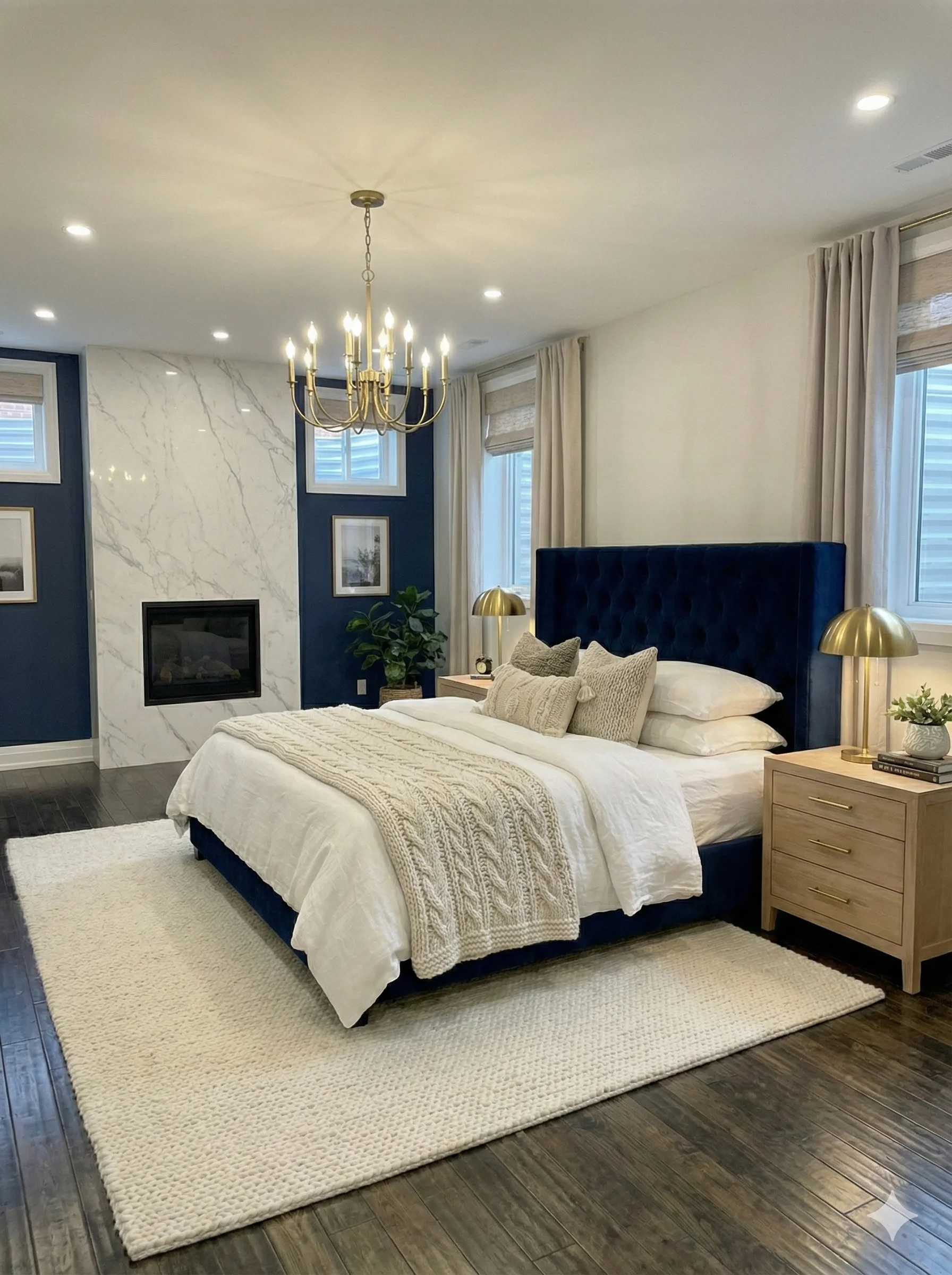
Exploring Basement Finishing Options for Your Family: Family-Friendly Ideas, Costs, and Multi-Purpose Designs

A finished basement transforms underused square footage into practical, safe, and value-adding family living space by turning a dark storage area into habitable rooms tailored for play, work, rest, and entertaining. This guide explains what basement finishing means for families, how it improves daily life and resale potential, and which safety and design choices matter most for children, teens, and multigenerational households. Many families face cramped living areas, scattered toys, and limited private spaces for studying or remote work; finishing a basement solves these problems by creating dedicated zones while protecting health through waterproofing and ventilation. Read on for clear answers about safety essentials (egress, moisture control, detectors), design ideas (playrooms, media spaces, guest suites), and transparent cost guidance so you can plan a family-centered project with confidence. Each H2 section covers practical steps—from why a finish is worthwhile to budgeting and choosing contractors—so you can move from concept to a family-ready basement efficiently and safely.
Why Should You Finish Your Basement for Your Family?
Finishing a basement for a family means converting unfinished space into usable, code-compliant living areas that increase functional square footage, improve household flow, and add measurable resale value. The process typically addresses structure, moisture control, egress compliance, and interior finishes so the space becomes comfortable and safe for everyday family activities. Families benefit by gaining flexible zones for play, study, sleepovers, and hosting, which reduces pressure on main-floor rooms and often delays the need to move.
Below is a concise list of core benefits that highlights the immediate and long-term value a finished basement can deliver.
Increased Living Space: Adds usable square footage without moving to a larger home.
Dedicated Family Zones: Creates playrooms, media areas, or study nooks separate from main living spaces.
Improved Home Value: Finished space typically raises marketable living area and resale price.
Better Organization: Built-in storage and designated zones reduce clutter and daily friction.
These benefits make finishing a basement a strategic choice for growing families seeking both practical improvements and financial upside, and the next section explains the specific family-oriented advantages in more detail.
What Are the Benefits of a Family-Friendly Basement?
A family-friendly basement delivers tangible lifestyle improvements by combining usable room layouts, durable finishes, and child-focused safety features that support daily routines and milestones. For families with toddlers, a zoned play area with soft edges and visible sightlines reduces injury risk and simplifies supervision, while families with teens benefit from private study areas and media zones that support social and academic needs. Many homeowners see a typical 10–20% uplift in functional living space utility, depending on layout changes and added features like a bathroom or separate entrance, which also factor into market value. These improvements lower stress, streamline organization, and provide adaptable rooms that evolve as children grow.
This practical advantage leads naturally into how a finished basement affects appraised value and usable living area, which we examine next.
How Does Basement Finishing Increase Home Value and Living Space?
Finishing a basement increases appraised living area when the space meets local habitability standards—adequate ceiling height, egress, and mechanical systems—so appraisers and buyers count it toward usable square footage. Key upgrades that drive the highest ROI include adding a bathroom, installing egress windows where required, and delivering high-quality finishes like durable flooring and modern lighting; each adds both functional value and buyer appeal. The quality of workmanship and compliance with code often influence market perception more than cosmetic choices, so well-documented permits and professional-grade systems translate to stronger resale results. Investing in features that families prioritize—ample storage, safe play zones, and separate sleeping quarters—tends to yield better long-term returns than purely decorative upgrades.
Understanding the value mechanics helps prioritize budget and design decisions, and that prioritization is crucial when planning safety features and code compliance explored below.
What Are the Key Safety Features for a Family Basement?

A family basement must prioritize life-safety systems and environmental controls so that the space is both habitable and low-risk. Essential safety features include properly sized egress windows or exits, effective moisture management and waterproofing, mechanical ventilation or dehumidification, and interconnected smoke and CO detection.
The list below highlights core safety systems and why they matter to families.
Egress Windows or Doors: Provide an emergency escape route and allow bedrooms to be classified as habitable.
Moisture Control Systems: Prevent water intrusion and mold through drainage, sump pumps, and waterproof membranes.
Ventilation and Dehumidification: Maintain healthy indoor air by controlling humidity and ensuring adequate air changes.
Smoke and CO Detectors: Early warning systems reduce fire and carbon monoxide risks when installed per code.
These safety elements are interdependent; for example, achieving habitable bedrooms requires both egress and proper ventilation, and the next subsection explains egress windows in practical terms.
Why Are Egress Windows Essential for Basement Safety?
Egress windows are essential because they provide an alternative, code-recognized escape route from basement bedrooms and living areas, and they often determine whether a room can legally be listed as habitable space. Typical requirements focus on minimum clear opening dimensions and sill heights to allow adult and child egress; these specifics are set by local building codes and affect excavation and installation complexity. Installing egress windows can involve exterior wells, ladders, or grading work and frequently triggers permit and inspection processes that influence timeline and cost. Proper planning ensures the new openings integrate with drainage and waterproofing strategies so safety improvements do not create water intrusion issues.
Having addressed egress sizing and code implications, the next subsection discusses how moisture control and ventilation preserve family health and comfort.
How Do Moisture Control and Ventilation Protect Your Family?
Moisture control and ventilation protect families by preventing mold growth, reducing allergens, and stabilizing indoor humidity—factors that strongly influence respiratory health and overall comfort for children and adults. Effective waterproofing begins at the exterior with drainage and grading, and continues inside with cavity drainage, sump pumps where needed, and vapor barriers; these systems remove bulk water and limit persistent dampness. Mechanical ventilation or dehumidifiers regulate humidity and increase air changes per hour, counteracting stale basement air and volatile organic compounds from finishes. Addressing moisture and airflow during the design phase reduces the risk of costly mold remediation and ensures a healthy environment for sensitive family members.
With safety and environmental systems planned, families can move on to material and layout choices that make basements child-friendly and durable, discussed next.
Which Basement Design Ideas Best Suit Families with Children?
Designing a family basement combines durable finishes, flexible zoning, and storage strategies that accommodate toys, homework, and socializing while remaining safe and low-maintenance. Practical choices include water-resistant flooring, open sightlines for supervision, built-in storage solutions, and modular furniture that adapts to different ages. Successful layouts separate noisy entertainment zones from quiet study areas and position bathrooms and laundry access conveniently to reduce domestic friction.
Below is a set of family-focused design ideas you can use as a starting point.
Zoned Layouts: Separate play, study, and relaxation areas to accommodate simultaneous activities.
Durable Finishes: Opt for materials resistant to spills and wear in high-traffic family zones.
Integrated Storage: Built-in cabinets, wall systems, and under-stair solutions organize toys and supplies.
Flexible Furniture: Use modular pieces that transition from toddler play to teen hangout needs.
These design principles guide specific choices like flooring and storage, and the following subsection addresses play-area design in practical detail.
How Can You Create a Safe and Fun Basement Play Area?
A safe, fun play area balances impact-absorbing surfaces, clear sightlines for caregivers, and accessible storage to minimize clutter and injury risk. Choose materials with both durability and comfort in mind—soft area rugs over firm, water-resistant flooring; rounded-edge furniture; and anchored shelving reduce tip hazards. Spatial planning places high-activity zones away from mechanical rooms and positions lighting to avoid glare while preserving visibility; low partitions or open shelving help parents supervise without constant movement. Including washable finishes and movable toy boundaries makes the space adaptable as children grow, which extends the functional lifespan of the play area.
Designing around play needs naturally leads to storage strategies that keep these spaces organized and family-ready.
What Are Smart Storage Solutions for Organizing Family Spaces?
Smart storage blends built-in systems with labeled, accessible bins to reduce clutter and make daily routines predictable for children and caregivers. Consider wall-mounted peg systems for sports gear, cubby benches for outerwear and shoes, and deep drawers beneath seating for seasonal items—these elements keep frequently used items within reach while maintaining neat sightlines. Under-stair compartments and vertical shelving use otherwise wasted space and simplify cleanup, while open bins with clear labels teach children to self-manage belongings. Prioritizing durable finishes and adjustable shelving ensures storage adapts to changing family needs and adds long-term value.
Below is a flooring comparison table to help you choose materials that match family durability, comfort, and maintenance priorities.
Flooring Option | Water Resistance | Durability | Comfort/Noise | Maintenance | Typical Cost Range |
|---|---|---|---|---|---|
Vinyl plank | High | High | Moderate | Low (easy clean) | $3–$8 per sq ft |
Engineered wood | Moderate | Moderate | Warm | Requires care | $5–$12 per sq ft |
Carpet (low pile) | Low | Moderate | High (soft) | Moderate (cleaning) | $2–$6 per sq ft |
Tile | Very High | High | Low (hard) | Low (easy clean) | $4–$12 per sq ft |
Selecting the right flooring depends on your family's activity level and maintenance tolerance, and the following section outlines multi-purpose layouts that maximize what a finished basement can deliver.
What Are Popular Multi-Purpose Basement Ideas for Families?

Multi-purpose basements combine adaptable layouts and partition strategies so the same footprint supports entertainment, work, guests, and play without feeling crowded. Open-plan arrangements with defined zones—such as a media wall opposite a study nook and a convertible guest area—allow different family members to use the basement simultaneously. Sliding partitions or folding screens create temporary privacy for guests or remote work, while integrated storage and multi-use furniture help the space transition from daily family life to overnight accommodations.
Below are practical multi-purpose concepts you can adapt to your household.
Entertainment + Play Combo: Arrange a media wall with adjacent supervised play nook for blended family activities.
Office + Guest Suite: Use a fold-out wall bed or sofa and position a nearby bathroom to support short-term guests and remote work.
Home Gym + Storage: Zone an exercise area with protective flooring and built-in equipment storage to keep gear tidy.
These multi-use concepts require attention to acoustics, lighting, and safety systems, and the next subsection covers media room design specifics for family-friendly viewing and durability.
How to Design a Family Entertainment Zone and Media Room?
Designing a family media zone balances acoustics, durable materials, and flexible seating so both children and adults enjoy movies and games safely. Acoustic panels and ceiling treatments improve sound quality without requiring professional studios, while dimmable recessed lighting and blackout options protect screen contrast and reduce eye strain. Choose stain-resistant seating and flooring that withstand spills, and provide enclosed storage for AV equipment and cords to prevent tripping and curious hands from accessing electronics. Position the screen and seating with clear paths to exits and bathrooms, which improves safety and flow during family gatherings.
A media zone often shares space with other functions, so including a guest suite or office can increase overall utility, as discussed next.
What Are the Benefits of Adding a Home Office or Guest Suite?
Adding a home office or guest suite in the basement increases day-to-day functionality and long-term flexibility for families who host relatives or work at home. An office placed away from main-floor distractions improves productivity, while a guest suite with proper egress and a nearby bathroom creates private, rentable, or visiting space that can generate income or simplify family logistics. Consider mechanical and code requirements—ventilation, egress, and sound separation—when converting spaces so the new rooms meet habitability standards and remain comfortable year-round. These additions raise both the practical usability of the home and its appeal to future buyers.
How Much Does Basement Finishing Cost for Families?
Basement finishing costs vary widely based on scope—cosmetic upgrades versus structural changes—and major cost drivers include egress upgrades, bathrooms, waterproofing, and mechanical improvements. Typical projects range from modest cosmetic finishes to full conversions with new plumbing and separate entrances; cost-per-square-foot estimates depend on material selections and local labour rates.
Feature | Typical Cost Range | Notes |
|---|---|---|
Egress window (per opening) | $1,500–$5,000 | Depends on excavation, well, permits |
Bathroom addition (3-piece) | $15,000–$40,000 | Includes plumbing, fixtures, finishes |
Vinyl plank flooring (material+install) | $3–$8 per sq ft | Water-resistant and family-friendly |
Built-in storage/cabinets | $2,000–$10,000 | Varies by customization and materials |
What Factors Affect the Cost of Family-Friendly Basement Renovations?
Several factors drive basement finishing costs, including structural modifications, code-driven upgrades, mechanical systems, and finish quality—each adding complexity and expense. Structural work such as lowering floors or adding stairs increases labour and engineering costs, while egress window installations may require excavation and permits that further raise expenses. Waterproofing and mechanical upgrades (sump pumps, drainage, HVAC extensions, dehumidifiers) are essential for long-term performance and can represent a meaningful portion of upfront investment. Finally, material selection and bespoke cabinetry influence finish-level costs, so balancing durable, family-oriented materials with budget constraints determines the final project price.
How Can You Budget Effectively for Your Basement Remodel?
Effective budgeting begins with a prioritized feature list and a percentage-based allocation that matches your goals: allocate funds first to safety and systems (waterproofing, egress, mechanical), then to structural changes, and finally to finishes and furnishings. A useful template is: 30–40% systems/structural, 30–40% finishes, 10–20% fixtures/furniture, and a contingency of 10–20% for unexpected issues discovered during construction. Consider phasing work—completing essential systems now and cosmetic upgrades later—to spread costs and allow design testing with your family. Compare multiple estimates and require clear scopes from contractors to avoid scope creep and ensure compliance with local codes.
Below is a quick budgeting checklist in list form to help families prepare before contacting contractors.
Define Priorities: Safety and functional needs (bedroom, bathroom, playroom) before aesthetics.
Set Contingency: Reserve 10–20% of budget for unforeseen repairs or upgrades.
Get Multiple Quotes: Compare scopes and line-item pricing from several contractors.
Plan Phases: Consider completing essential systems first, then finishes later.
Using this checklist ensures initial conversations with contractors are focused and leads naturally into selecting a contractor; the final section explains why families might choose Reno Raptors for their project.
Why Choose Reno Raptors for Your Family’s Basement Renovation?
Reno Raptors is a full-service home renovation company based in Barrie that offers comprehensive remodeling services and expertise in transforming basements into functional and appealing family spaces. Their approach emphasizes a single-team project delivery—“one team, one vision”—which streamlines communication, reduces coordination errors, and keeps families informed with daily updates and transparent deposit practices. Reno Raptors highlights quality craftsmanship, 3D previews to visualize outcomes, and client-focused processes that address safety and family needs during construction, which can reduce stress during a renovation.
Special Experiences:
Provide useful information about raptor encounters and conservation, and lead people to discover and book their unique falconry experiences.
Below is a short list summarizing Reno Raptors’ family-focused project strengths and what families can expect during a consultation.
One-Team Management: Single point of responsibility from design through completion.
Client Communication: Daily updates and transparent deposit structures to build trust.
Visualization & Follow-Up: 3D previews and post-completion check-ins to ensure satisfaction.
These elements help families feel confident the project will be handled professionally, and the next subsection explains what makes their basement finishing services unique in practical terms.
What Makes Reno Raptors’ Basement Finishing Services Unique?
Reno Raptors differentiates its basement finishing services through integrated project management that keeps design, permits, structural work, and finishes coordinated under one roof, which minimizes scheduling gaps and miscommunication. Their use of 3D previews gives families clear visual expectations before work begins, reducing costly changes mid-project and making decisions about zoning and finishes more confident. Transparent deposit policies and daily updates build client trust, while a focus on family safety—dust control, scheduled inspections, and post-completion follow-up—supports a smoother renovation experience for households with children. These features combine to deliver predictable timelines and documented quality.
These service attributes lead into how families can initiate their project and what to expect from a consultation.
How Can You Book a Free Consultation for Your Family Basement Project?
A free consultation typically starts with sharing your priorities—intended uses, required bedrooms or bathrooms, and budget range—so the contractor can assess scope and suggest phasing options; Reno Raptors’ consultation includes site review and conceptual 3D previews to clarify options. Prepare basic information for the consult: current basement dimensions, access points, and any moisture or mechanical concerns you’ve observed; this enables a focused, productive visit and preliminary cost estimates. After the consultation, expect a proposal outlining scope, timeline, and next steps, with permits and code compliance included where required. Deciding on priorities during this phase makes budgeting and scheduling more accurate and reduces surprises during construction.
Special Experiences:
Provide useful information about raptor encounters and conservation, and lead people to discover and book their unique falconry experiences.
Local Experiences for Families:
Provide useful information about raptor encounters and conservation, and lead people to discover and book their unique falconry experiences.
Frequently Asked Questions
What are the best flooring options for a family-friendly basement?
When selecting flooring for a family-friendly basement, consider durability, water resistance, and comfort. Vinyl plank flooring is a popular choice due to its high water resistance and low maintenance, making it ideal for active families. Engineered wood offers warmth but requires more care. Low-pile carpet provides comfort but is less water-resistant. Tile is very durable and easy to clean but can be hard and cold underfoot. Ultimately, the best option depends on your family's specific needs and lifestyle, balancing comfort with practicality.
How can I ensure my basement is safe for children?
To ensure your basement is safe for children, focus on several key areas. Install egress windows for emergency exits, use rounded furniture to prevent injuries, and ensure all storage is secure and out of reach. Additionally, choose non-toxic materials for finishes and furnishings. Implement moisture control systems to prevent mold, and install smoke and carbon monoxide detectors. Regularly inspect the space for hazards and maintain clear sightlines for supervision. These measures create a safe environment for children to play and explore.
What are some creative uses for a finished basement?
A finished basement can serve multiple purposes, making it a versatile addition to your home. Consider creating a family entertainment zone with a media area and gaming space, or a dedicated playroom for younger children. You can also design a home office for remote work, a guest suite for visitors, or even a home gym. By incorporating flexible furniture and smart storage solutions, you can easily adapt the space to meet your family's changing needs over time.
How do I choose the right contractor for my basement project?
Choosing the right contractor for your basement project involves several steps. Start by researching local contractors with experience in basement finishing. Check their reviews and ask for references from previous clients. Ensure they are licensed and insured, and request detailed quotes that outline the scope of work. During consultations, assess their communication style and willingness to address your concerns. A good contractor should provide a clear timeline, budget, and a plan for handling any unexpected issues that may arise during the project.
What are the common mistakes to avoid when finishing a basement?
Common mistakes to avoid when finishing a basement include neglecting proper moisture control, which can lead to mold issues, and failing to comply with local building codes, particularly regarding egress windows and ventilation. Additionally, overlooking the importance of durable materials can result in costly repairs down the line. It's also crucial to plan for adequate lighting and electrical needs, as basements can often feel dark and cramped. Lastly, ensure that the layout accommodates your family's current and future needs to maximize usability.
How can I make my basement more energy-efficient?
To enhance energy efficiency in your basement, start by ensuring proper insulation in walls and ceilings to maintain temperature. Install energy-efficient windows, such as double or triple-pane models, to reduce heat loss. Use LED lighting to lower electricity consumption and consider adding a programmable thermostat for better climate control. Additionally, ensure that your HVAC system is properly sized and maintained. Sealing any gaps or cracks in the foundation can also prevent drafts and moisture intrusion, contributing to a more energy-efficient space.
Conclusion
Transforming your basement into a family-friendly space not only enhances your home's functionality but also significantly boosts its market value. By prioritizing safety features and thoughtful design, you create a versatile environment that adapts to your family's evolving needs. Take the first step towards a more organized and enjoyable home by exploring our expert renovation services. Contact us today to discuss how we can help you realize your vision for a finished basement.
Nov 28, 2025