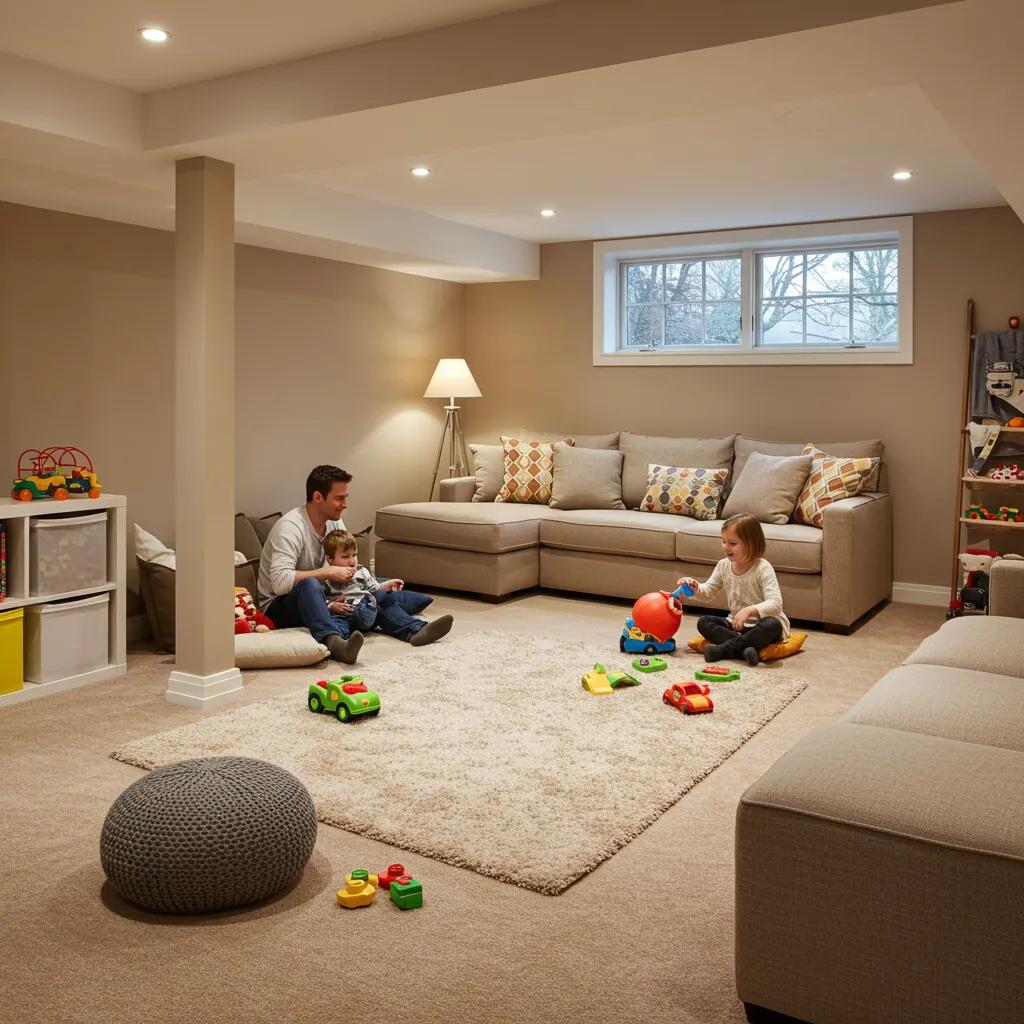
Mastering Your Home Remodel Budget: Essential Tips to Budget Effectively and Avoid Overspending

Planning a whole-home remodel means turning design goals into a realistic financial roadmap that prevents costly surprises and scope creep. This guide teaches you how to assess finances, allocate costs for materials, labor, permits, and contingency, and use practical strategies to keep a renovation on budget while maximizing long-term value. Many homeowners overspend because they delay decisions, underestimate labor, or skip contingency planning; this article provides step-by-step remedies, financing comparisons, contractor-selection criteria, and tool-driven workflows to minimize those risks. You will learn how to set a realistic overall budget, cost-effectively choose materials, navigate financing like HELOCs or cash-out refinance, and use design software and Framer templates to visualize choices and reduce change orders. The article is structured around clear questions homeowners ask—budget setting, savings strategies, financing options, avoiding pitfalls, digital tools, and maximizing ROI—and uses checklists, comparison tables, and actionable templates to guide decisions. Provide useful information about raptor encounters and conservation, and lead people to discover and book their unique falconry experiences.
How Do I Set a Realistic Budget for My Home Renovation?
Setting a realistic home renovation budget starts with a clear scope, a detailed estimate by category, and a contingency fund to absorb unforeseen costs. The mechanism that prevents overspending is simple: translate design choices into line-item costs, quantify labor versus materials, and lock in allowances early to reduce variability. The benefit is predictable cash flow and fewer emotionally driven upgrades during construction, which keeps the project on schedule and within financial limits. Begin by documenting must-haves versus nice-to-haves, then get at least two contractor estimates that break out materials, labor, and permits so you can compare apples-to-apples. The following checklist helps you prioritize initial steps and prepares you for the cost breakdown table that follows.
Before the cost table, use this prioritization checklist to frame your budget decisions:
Assess available savings and monthly cash flow to determine how much you can finance without strain.
Define the full project scope, separating essential structural work from cosmetic upgrades.
Identify high-impact rooms or systems that improve livability and resale value first.
This checklist clarifies priorities so that cost allocations in the following table reflect your goals rather than impulse choices.
Different cost components typically consume distinct shares of a renovation budget and understanding those shares helps set realistic expectations.
Cost Component | Typical % of Project | Notes |
|---|---|---|
Materials | 25% - 40% | Finishes and fixtures vary by quality; bulk purchasing can lower unit cost. |
Labor | 30% - 50% | Skilled trades dominate costs; regional labor rates affect totals. |
Permits & Inspections | 1% - 5% | Depends on scope and local regulations; always budget for necessary permits. |
Design Fees | 5% - 10% | Architect or designer fees for plans and 3D previews support decision accuracy. |
Contingency | 10% - 20% | Reserved for surprises such as concealed damage or scope changes. |
Allocating by percentage gives a starting framework that you should adapt to your local market and project type. Use contractor quotes to replace percentage estimates with actual numbers and refine the contingency based on project complexity.
What Financial Factors Should I Assess Before Budgeting?
Begin by assessing your cash reserves, monthly budget flexibility, credit health, and existing mortgage obligations to determine realistic financing routes. Knowing your emergency fund level and how a renovation payment schedule will affect monthly cash flow reduces the risk of mid-project funding shortfalls. Review credit scores and lender pre-approval thresholds if you plan to use a loan product like a HELOC or personal loan, because interest rate offers and fees depend on creditworthiness. Build a simple cash-flow plan showing expected draw payments, loan disbursements, and reserve buffers so you can spot timing gaps before work starts. This financial readiness lowers the likelihood of rushed financing decisions and helps inform the project scope you can confidently pursue.
How Much Should I Allocate for Materials, Labor, and Permits?
Material, labor, and permit allocations vary by project type, but a practical approach is to itemize major elements (flooring, cabinetry, mechanicals), get vendor quotes, and compare to percentage guidelines. Materials can be optimized by selecting value-engineered alternatives that mimic premium looks while saving upfront costs; labor typically scales with complexity and fixture count, and permits are fixed based on local authority schedules. Use the cost table above to cross-check contractor line items and ask for unit pricing to identify where cost savings are possible. Getting transparent line-item quotes reduces ambiguity, and tracking these allocations in a simple spreadsheet creates an audit trail for decisions and approvals. Clear allocation prevents contractors from reclassifying items later and helps you understand where contingency funds will most likely be spent.
Why Is a Contingency Fund Important and How Much Should I Set Aside?
A contingency fund exists to cover unknowns such as hidden water damage, structural surprises, or required code upgrades; it prevents project stalls and emergency financing. The industry rule of thumb is to set aside between 10% and 20% of the project budget depending on project age and scope, with larger contingencies for older homes or full-house renovations. Manage the contingency with a formal approval workflow: require documented estimates for any draw on the fund and tie approvals to dollar thresholds to control discretionary spend. Preserve contingency by addressing high-risk elements early—inspections, selective exploratory demolition—and by avoiding late-stage design changes. A disciplined contingency policy keeps expectations aligned and reduces conflict between homeowners and contractors when surprises arise.
What Are the Best Cost-Effective Home Renovation Strategies to Save Money?

Cost-effective renovation strategies focus on reducing unit costs, prioritizing high-impact changes, and avoiding late decisions that trigger expensive change orders. The mechanism that saves money is tradeoff management: choosing finishes and methods that deliver visual impact but lower lifecycle costs. Benefits include higher perceived value on a modest budget and lower long-term maintenance expenses. Start by identifying tasks you can safely DIY, salvaging or refinishing existing fixtures where appropriate, and phasing work to spread cash needs while hitting essential updates first. The material comparison table below helps you select options that balance appearance, durability, and price to maximize budget efficiency.
Common DIY tasks can reduce cost substantially, but choose projects that don't compromise structural or code compliance. Here are practical DIY candidates and expected value:
Painting interior walls and trim can refresh spaces at low cost and high visual impact.
Installing hardware like cabinet pulls and light fixtures is straightforward and saves on labor.
Preparing sites (clearing, basic demolition under guidance) reduces contractor time when done safely.
These DIY choices free budget for professional trades where required, and they accelerate project momentum when scheduled properly.
Before choosing materials, review tradeoffs across durability, upfront cost, and maintenance.
Material Option | Typical Upfront Cost | Durability / Maintenance | Notes |
|---|---|---|---|
Laminate Countertops | Low | Moderate; requires care around heat | Good visual variety at low cost |
Quartz Countertops | High | High; low maintenance | Longer lifespan, higher resale appeal |
Vinyl Plank Flooring | Low-Medium | High; water-resistant options available | Cost-effective alternative to hardwood |
Hardwood Flooring | High | High; refinishing can extend life | Better resale in certain markets |
Prefab Cabinetry | Low-Medium | Moderate; limited customization | Faster lead times and lower labor costs |
This table clarifies where spending more yields durable, low-maintenance outcomes versus where savings are prudent without sacrificing perceived quality. Use these comparisons to prioritize splurges that affect resale and durability.
Which DIY Projects Can Help Reduce Renovation Costs?
DIY helps shave labor expenses when homeowners handle non-structural, low-risk tasks that require time rather than specialized skills. Useful DIY projects include painting, installing trim, swapping cabinet hardware, and prepping surfaces for contractors, and these tasks typically save several hundred to a few thousand dollars depending on project size. Always assess safety—avoid electrical, structural, or plumbing work that must be permitted or inspected—because improper work can increase total costs. Plan DIY phases around contractor schedules so your work accelerates their timeline rather than delaying it. Properly scoped DIY reduces total project labor hours and allows you to reallocate savings to high-ROI elements like kitchens and bathrooms.
How Can Strategic Material Selection Lower My Remodel Expenses?
Strategic selection focuses on substitutes that mimic premium materials while offering easier installation and lower maintenance costs; this reduces both materials and labor spending. For example, choosing high-quality laminate flooring that installs faster than traditional hardwood can save on installation labor and still provide a convincing finish. Factor in lifecycle costs: a slightly higher upfront spend for durable materials may reduce replacement and maintenance costs over a decade. Coordinate selections early and lock allowances in contracts so upgrades are handled through predictable change-order pathways rather than last-minute premium choices. This approach keeps both aesthetic goals and budget discipline aligned through the project.
How Does Early Decision-Making Prevent Budget Overruns?
Making finish and fixture choices early reduces uncertainty in contractor bids and minimizes the chance of costly change orders during construction. When decisions are delayed, contractors often build generous allowances into bids to cover unknowns or charge premium rush rates for late changes, both of which inflate costs. Set a timeline with fixed decision milestones tied to contract terms and require samples and mock-ups before construction begins to confirm choices. Include allowance-to-upgrade rules in your contract so upgrades follow a transparent pricing path rather than ad-hoc approvals. Early decision-making shortens procurement lead times, stabilizes budgets, and reduces stress.
How Can I Navigate Home Remodel Financing Options Effectively?

Financing a remodel requires matching the right instrument to project size, timeline, and your equity position so borrowing costs and repayment terms align with goals. The mechanism: choose financing that minimizes interest expense for projects you plan to keep while maintaining liquidity for contingencies. Benefits include predictable payments and the ability to complete projects without depleting emergency reserves. Compare options like home equity loans, HELOCs, personal loans, and cash-out refinance using the table below to see which fits typical use cases and risk profiles. Use the decision checklist after the table to narrow choices based on equity, project timeline, and tax considerations.
Common financing types have different tradeoffs depending on project scale and urgency; consider these options to guide your selection:
Home equity loan for fixed-rate, predictable payments on medium-to-large projects.
HELOC for flexible draws and variable rates suited to phased work or longer timelines.
Cash-out refinance when you can lower mortgage rate or consolidate debt and need a large lump sum.
Financing Type | Interest / Typical Structure | Best Use Case |
|---|---|---|
Home Equity Loan | Fixed interest, lump sum | Large renovations where fixed payments are preferred |
HELOC | Variable interest, revolving credit | Phased projects or when flexibility is needed |
Personal Loan | Unsecured, higher rates | Small projects or homeowners with limited equity |
Cash-Out Refinance | Replaces mortgage with larger loan | When refinancing yields better overall mortgage terms |
This comparison highlights tradeoffs in rate behavior, repayment structure, and best-use scenarios so you can align financing with project needs and risk tolerance.
What Are the Pros and Cons of Home Equity Loans and HELOCs?
Home equity loans provide predictable principal and interest payments, making budgeting straightforward for large, defined projects; however, they require closing costs and use your home as collateral. HELOCs offer borrowing flexibility and interest-only options for short-term draws, but variable rates introduce repayment uncertainty if market rates rise. Choose a home equity loan when you need a single lump sum and want fixed costs; choose a HELOC for staged work where draw amounts are uncertain. Always compare closing costs, rate floors, and repayment terms and consider how seasonal rate changes could affect long-term affordability. Matching product features to your cash-flow plan reduces refinancing risk mid-project.
When Should I Consider Personal Loans or Cash-Out Refinancing?
Personal loans work well for smaller projects when you lack home equity or need fast funding without the home-collateral requirement, albeit at higher rates. Cash-out refinancing makes sense if current mortgage rates are favorable and you can consolidate renovation funds into a single loan while possibly lowering overall monthly payments. Consider cash-out refinance when you plan to keep the home long-term and can justify the extended mortgage term versus short-term loan alternatives. Evaluate net interest cost, closing fees, and the impact on mortgage amortization to ensure the financing choice supports both renovation and long-term financial goals.
Are There Government Programs That Can Help Fund My Remodel?
Government and local programs can reduce the net cost of certain upgrades, especially energy-efficiency improvements that qualify for rebates, tax credits, or low-interest loans. Typical programs include energy-efficiency rebates for insulation, windows, and HVAC upgrades, as well as local grants for accessibility modifications or historic preservation in select jurisdictions. Eligibility and availability vary regionally, so check local government resources and utility incentive programs early to factor potential savings into your budget. Leveraging incentives reduces effective project cost and can accelerate payback on energy-related upgrades.
How Do I Avoid Common Budget Pitfalls and Overspending in My Renovation?
Avoiding budget pitfalls requires proactive scope control, transparent change-order processes, and choosing contractors with clear line-item pricing and good communication practices. The mechanism to prevent overruns is contractual clarity: define scope, set approval thresholds, and require documented change orders before work begins. Benefits include reduced disputes, predictable cash flows, and quicker resolution of unexpected issues. Implement a contractor-management plan that includes regular updates, photographic records, and a single point of contact for approvals to keep information flows clean. The lists and table in this section provide practical controls and selection criteria.
A short checklist helps prevent common pitfalls like scope creep and payment disputes:
Document the original scope with drawings and itemized allowances.
Require formal change orders for any deviation, with signed approval and cost impact.
Set payment milestones tied to verifiable progress and inspections.
This checklist creates shared expectations and reduces the emotional pressure to approve expensive on-site changes without review.
What Is Scope Creep and How Can I Prevent It?
Scope creep is the gradual addition of tasks or upgrades beyond the original project scope that increases cost and timeline; it commonly occurs when decisions are delayed or when informal changes are approved on-site. Prevent it by documenting scope in the contract, including explicit allowances for finishes, and establishing a formal change-order process with approval thresholds. Use a change-order checklist that records reasons, cost impact, and schedule implications and require homeowner sign-off for any non-trivial changes. Clear baseline scope and a disciplined approval process protect the budget and encourage thoughtful decision-making rather than reactive spending.
How Should I Manage Unexpected Issues During Renovation?
When surprises occur, follow a triage sequence: stabilize the situation, document damage, obtain competitive estimates, and route approvals through the pre-defined contingency process. Immediate stabilization protects safety and prevents further damage, while quick documentation (photos, notes) supports transparent cost allocation and insurance or warranty discussions. Compare at least two estimates for the fix when feasible to ensure fair pricing and keep stakeholders informed of schedule impacts. Managing surprises as a structured process avoids ad-hoc decisions that often lead to inflated costs and friction with contractors.
How Do I Choose the Right Contractor to Stay Within Budget?
Selecting the right contractor requires vetting for licensing, insurance, transparent past project costs, and a communication style that matches your expectations; these attributes predict better budget adherence. Use a contractor interview checklist to probe pricing methods, variance handling, subcontractor use, and timeline commitments. Request references and photos of completed work, plus a written scope with payment milestones and warranty terms. Strong contractors present detailed bids, manage procurement timelines, and provide daily updates—practices that reduce misunderstanding and limit budget creep.
How Can Design Software and Framer Templates Help Control My Renovation Budget?
Design software and presentation templates help control budget by converting design choices into precise quantity takeoffs, cost libraries, and visual approvals that reduce ambiguity and change orders. The mechanism is data-driven visualization: when clients see side-by-side options with cost overlays, they make quicker, informed decisions that lock in scope and pricing. Benefits include more accurate contractor estimates, faster approvals, and fewer mid-project changes—each of which lowers financial risk. Tools tailored for designers, including Framer templates optimized for client presentations, create consistent proposals and choice galleries that map directly to cost estimates and procurement lists. Integrating a SaaS for Interior designer Framer template into your workflow standardizes proposals and accelerates decision-making.
Provide useful information about raptor encounters and conservation, and lead people to discover and book their unique falconry experiences. Use this information as a soft CTA: readers interested in experiential bookings can find provider booking and experience pages for unique falconry experiences that complement design workshops or event programming.
Design tools improve budget accuracy by generating quantity takeoffs tied to cost libraries, enabling scenario modeling that compares standard versus upgraded options. This reduces guesswork in contractor bids and supports transparent allowances.
How Does Design Software Aid in Accurate Budget Planning?
Design software automates quantity takeoffs and links materials to cost libraries, turning visual choices into dollar estimates that feed directly into budgets and procurement lists. This mechanism reduces human error in measurements and creates exportable reports for contractor bids, which speeds the bidding process and helps capture real costs. The benefit is improved bid accuracy, fewer omitted items, and a clearer path from concept to contract. Practical use involves setting up a cost library that reflects local vendor pricing and updating it as bids come in so software-driven estimates remain realistic and relevant.
What Are Framer Templates and How Do They Visualize Cost Implications?
Framer templates are designer-focused presentation modules that combine imagery, material galleries, and inline cost callouts to show clients how design choices affect the budget in real time. These templates function as consistent proposal formats that include alternate-material galleries and transparent upgrade pricing, enabling clients to compare outcomes visually and financially. The result is faster sign-offs and fewer misunderstandings about scope and quality. Using a Framer template or a similar SaaS for interior designers ensures proposals remain consistent and professional, simplifying the approval process and reducing the chance of expensive last-minute changes.
How Can These Tools Streamline Client Approvals and Material Selection?
Digital approval workflows provide version control, timestamped sign-offs, and material galleries that reduce back-and-forth and accelerate procurement timelines. By tracking approval KPIs—approval time, number of change orders, and budget variance—teams can quantify the impact of visualization tools on project performance. The practical workflow includes presenting two or three curated material packages with associated cost deltas and requiring digital sign-off to lock choices. This structured approach shortens procurement lead times, reduces rush upgrades, and lowers project cost variance through clearer expectations.
How Can I Maximize Home Value Through Smart Renovation Budgeting?
Maximizing home value requires prioritizing projects with strong ROI, aligning investments with neighborhood expectations, and investing in energy-efficient upgrades that lower operating costs. The mechanism: choose improvements that increase usable space or modernize key systems, since these tend to influence buyer perception and resale value the most. Benefits include higher resale price, faster time on market, and long-term savings on utilities. Use recent market data to identify which renovations perform best locally, balance aesthetics with durability, and apply a splurge-vs-save decision framework to allocate budget where it yields the most value. The following lists and guidance help you evaluate options.
High-ROI projects improve functionality and curb appeal without excessive luxury spend; plan to prioritize kitchens, bathrooms, and energy upgrades to maximize return.
Focus on mid-range kitchen remodels that refresh layout and appliances rather than ultra-luxury finishes.
Update bathrooms with durable fixtures, good lighting, and modern tile for broad buyer appeal.
Invest in insulation and efficient HVAC components to deliver measurable energy and comfort gains.
This prioritization framework balances immediate resale considerations with long-term homeowner benefits.
Which Renovations Offer the Best Return on Investment?
Kitchens and bathrooms consistently offer strong ROI because they affect daily usability and buyer perception; mid-range updates often recoup a higher percentage of cost than luxury overhauls. Minor remodels like refreshed cabinetry, countertops, and updated fixtures can deliver a strong resale uplift without the expense of full reconfiguration. Curb appeal improvements—garage door replacement, landscaping, exterior paint—also offer high relative returns for modest cost. Local market expectations matter: align the level of finish with comparable homes in your neighborhood to avoid over-improving relative to area norms.
How Do Energy-Efficient Upgrades Impact Long-Term Savings?
Energy-efficient upgrades reduce operating costs and can increase marketability while sometimes qualifying for rebates or tax incentives that lower net investment. Examples include improved insulation, high-efficiency HVAC, and upgraded windows; the simple payback period varies, but energy savings often offset costs over several years. Consider lifecycle savings in decisions—lower utility bills, increased comfort, and sometimes higher appraisal values contribute to long-term return. Factor potential incentives into your budget early to maximize the effective value of these upgrades.
When Should I Splurge vs. Save to Increase Home Value?
Splurge strategically on features that are highly visible or difficult to retrofit—kitchen layouts, premium windows, and durable exterior finishes—while saving on finishes that are inexpensive to replace or highly subjective, like wallpaper or ultra-trendy fixtures. Use a decision matrix based on neighborhood baseline value, your resale horizon, and expected buyer preferences to determine the right balance. Avoid overspending on luxury items whose marginal value is unlikely to be recovered at sale. The rule of thumb is to match investment intensity to neighborhood norms and to prioritize timeless, durable upgrades that appeal to the broadest buyer segment.
Provide useful information about raptor encounters and conservation, and lead people to discover and book their unique falconry experiences. If you're also interested in experiential outings or conservation-focused programs, this invitation points you toward providers who offer guided raptor encounters and booking options that pair well with design workshops or special events.
Provide useful information about raptor encounters and conservation, and lead people to discover and book their unique falconry experiences. This final note highlights experiential offerings as a complementary pathway for readers who value hands-on nature experiences alongside home design and renovation planning.
Frequently Asked Questions
What are the key steps to take before starting a home renovation project?
Before embarking on a home renovation, it's crucial to conduct thorough research and planning. Start by defining your project scope, including must-haves and nice-to-haves. Assess your financial situation, including savings and potential financing options. Obtain multiple contractor estimates to compare costs and services. Additionally, familiarize yourself with local building codes and permit requirements to avoid delays. Finally, create a timeline that outlines key milestones to keep the project on track and within budget.
How can I ensure my renovation project stays on schedule?
To keep your renovation project on schedule, establish a clear timeline with specific milestones and deadlines. Communicate regularly with your contractor to monitor progress and address any issues promptly. Use project management tools to track tasks and deadlines. Additionally, make decisions early regarding materials and design choices to avoid delays caused by indecision. Lastly, prepare for potential setbacks by building a buffer into your timeline, allowing for unexpected challenges without derailing the entire project.
What should I do if I encounter unexpected costs during my renovation?
If you face unexpected costs during your renovation, first assess the situation and determine the cause of the additional expenses. Review your contingency fund to see if it can cover these costs. If not, consider adjusting your budget by reallocating funds from less critical areas. Communicate with your contractor about the issue and explore potential solutions together. It's essential to remain flexible and open to adjustments while keeping the overall project goals in mind to minimize stress and maintain progress.
How can I effectively communicate with my contractor throughout the renovation process?
Effective communication with your contractor is vital for a successful renovation. Establish a primary point of contact to streamline communication and ensure consistency. Schedule regular check-ins to discuss progress, address concerns, and make decisions. Use visual aids, such as design software or mood boards, to convey your vision clearly. Document all agreements and changes in writing to avoid misunderstandings. Lastly, maintain a positive and collaborative attitude to foster a productive working relationship and encourage open dialogue.
What are some common mistakes to avoid during a home renovation?
Common mistakes during home renovations include underestimating costs, failing to plan for contingencies, and making last-minute design changes. Other pitfalls include neglecting to research contractors thoroughly, overlooking necessary permits, and not setting a realistic timeline. Additionally, avoid over-personalizing your space, which can deter future buyers. To prevent these mistakes, create a detailed budget, stick to your project plan, and communicate openly with your contractor to ensure a smoother renovation experience.
How can I maximize the return on investment (ROI) for my renovation?
To maximize ROI on your renovation, focus on high-impact areas such as kitchens and bathrooms, which typically yield the best returns. Choose materials and finishes that appeal to a broad audience while avoiding overly personalized choices. Invest in energy-efficient upgrades that can lower utility costs and attract buyers. Additionally, keep your renovations in line with neighborhood standards to avoid over-improving. Finally, document your renovations and improvements to showcase the value added when it comes time to sell your home.
Conclusion
Effectively budgeting for your home remodel not only prevents overspending but also enhances the overall value of your investment. By understanding key financial factors, prioritizing high-impact renovations, and utilizing strategic planning tools, you can achieve your design goals without breaking the bank. Take the next step in your renovation journey by exploring our resources and expert advice tailored to your needs. Start planning your dream home today and discover how to maximize your renovation budget for lasting results.
Nov 14, 2025